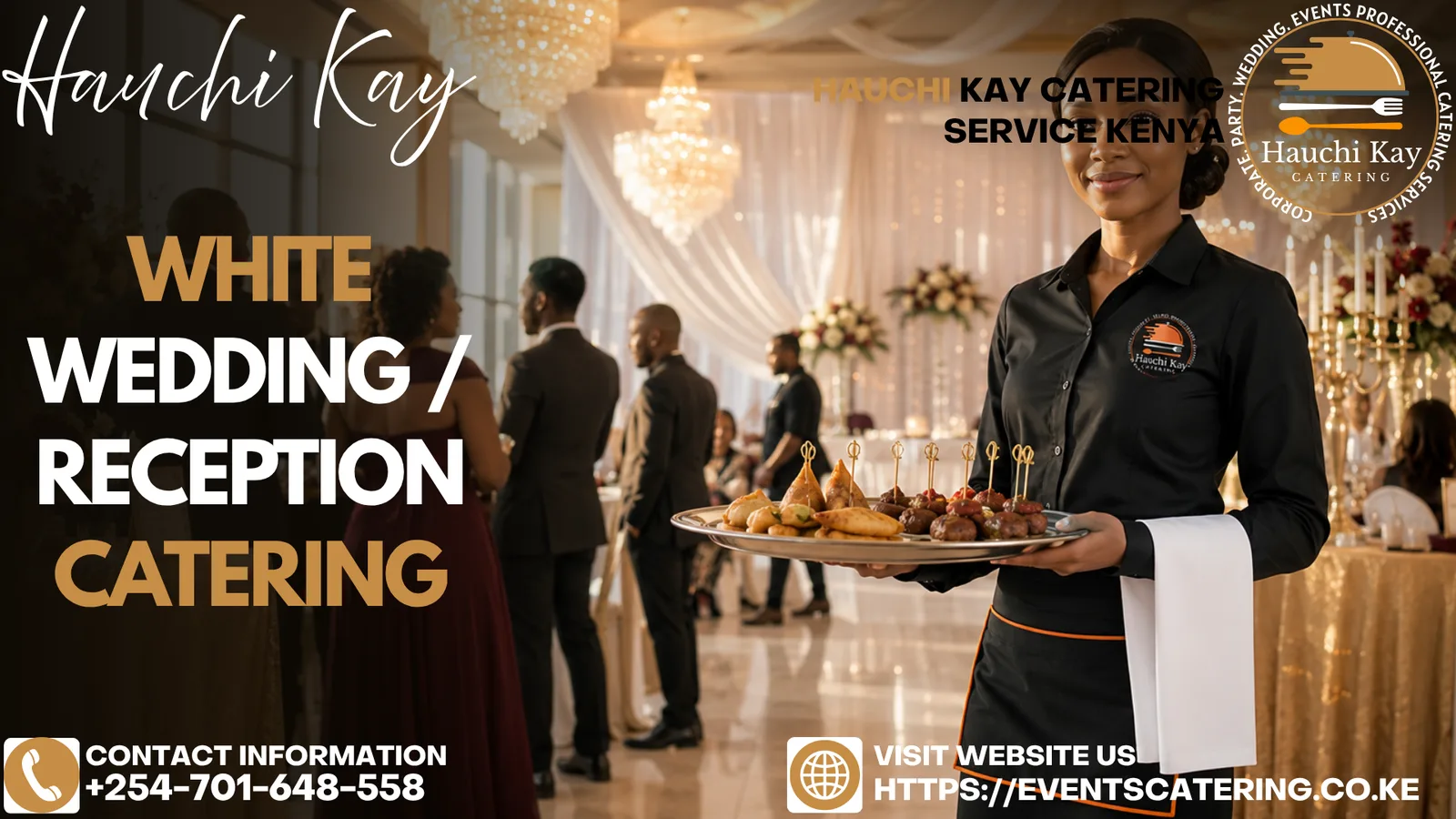
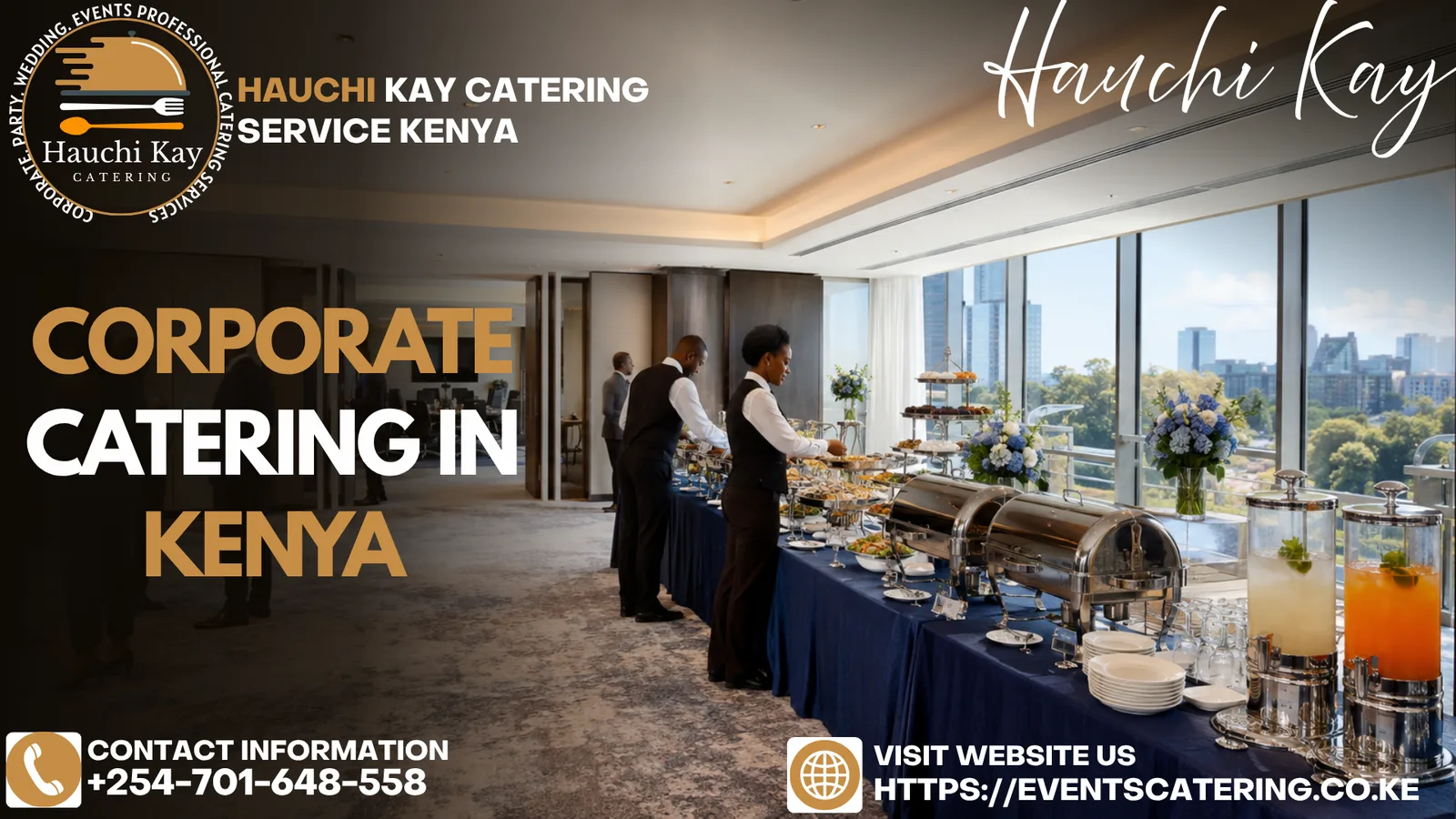
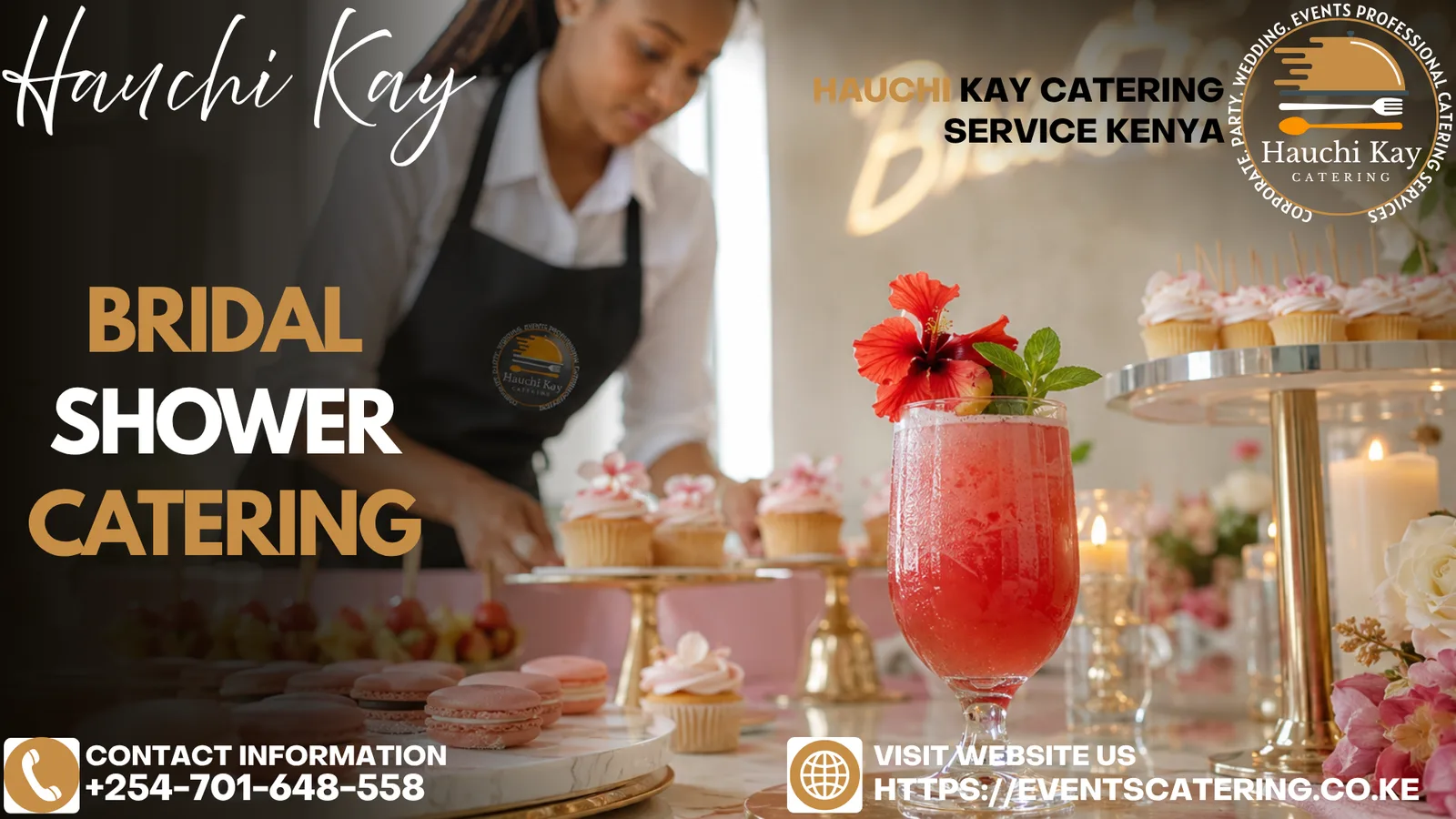
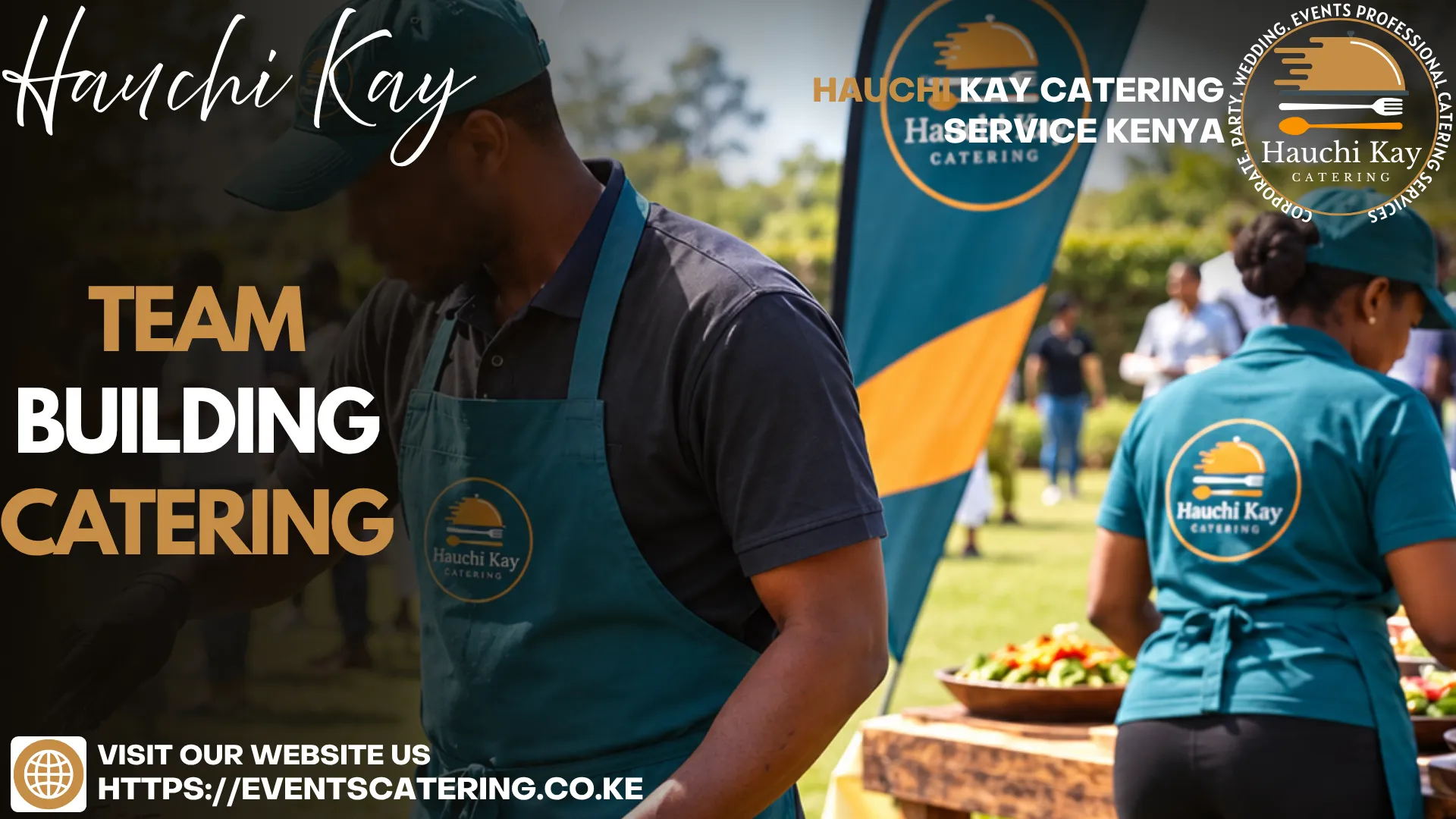
Menus and service built around Kenyan customs — dowry, traditional weddings, homecoming, naming ceremonies, funerals and community celebrations — with respect for elders, dishes and etiquette.
WhoCultural and traditional event caterers across Kenya
Who forFamilies, elders and community organisers
WhereRural homesteads, compounds and venues nationwide
Scale200 to 1,000-plus community guests
Cost rangeQuoted to community, ceremony and guest numbers
Next stepFree cultural catering quotation
What it means
Catering built around Kenyan cultural life
This is not standard event catering with a few local dishes added. Hauchi Kay plans food around the customs of the community hosting the event — the dishes expected, the order in which elders are served, and the etiquette that surrounds food where tradition matters as much as taste. Whether it is a Kamba wedding in Machakos, a Luo homecoming in Kisumu, or a multi-community gathering in Nairobi, cultural knowledge sits beside cooking skill.
The dishes chosen
Staples a community expects at a specific ceremony, not a generic Kenyan buffet applied to every occasion.
The order of service
Elders first, visiting delegations timed to proceedings, and food held until the right stage of a negotiation.
Meaning in the food
Symbolic dishes, generous portions, and service that protects the family’s standing in front of community leaders.
Why it matters
Respect that elders notice immediately
Food is one of the clearest ways a family expresses respect at a ceremony. Getting it wrong is noticed at once. Before any menu is drafted, Hauchi Kay asks about the community, the specific ceremony, guest composition, and customs that must be observed. A menu that reflects identity, prepared and served correctly, protects the family’s standing. Small misses — portion generosity or serving order — can linger long after the event ends.
Conversation first
Every cultural booking starts with consultation with the family or organising committee, then menus built around that community’s practices and the scale Kenyan cultural events typically require.
Trust at the table
Families rely on a caterer to represent them well in front of extended family, neighbours and community leaders. Authentic Kenyan cuisine catering is also about that trust.
Ceremonies we serve
Service planned around the occasion
Different traditional ceremonies come with different service requirements. Hauchi Kay does not treat all cultural events the same way.
A dowry negotiation, a traditional wedding and a homecoming within the same community can call for different dishes. Chefs work with recipes associated with that community rather than one generic Kenyan menu.
01
Community and region
Confirm the community and any sub-regional variations in cuisine before a single dish is listed.
02
Ceremony type
Identify the ceremony and its specific food customs, including foods that would be inappropriate.
03
Guest composition
Elders, in-laws and extended family shape portions, seating and which dishes are prioritised.
04
Staples and sides
Select dishes the community expects, alongside complementary sides that still feel authentic.
05
Scale and safety
Balance traditional recipes with large-scale preparation, temperature control and hygiene.
06
Presentation style
Traditional serving vessels, modern buffet lines, or plated service for elders — chosen by the host family.
Regional cuisine
Menus that guests recognise as authentic
Kenya’s regional cuisine varies significantly. Cultural catering reflects that variation rather than flattening it into a single national menu.
Mukimo, githeri, irio and roasted meats at Kikuyu ceremonies
Ruracio timing: food served at specific stages of negotiation
Kamba: muthokoi, githeri, mukimo, ngwatio dowry service
Machakos, Kitui, Makueni and Central Kenya gatherings
Open-air kitchens and generous portions for visiting delegations
Fish dishes, omena, ugali, osuga and dek
Fresh and dried fish preparations for Luo ceremonies
Weddings, riso homecoming and funeral gatherings
Kisumu, Siaya, Homa Bay and Migori counties
Large-scale funeral catering over several days
Chicken dishes, mrenda, managu, ugali and traditional greens
Specific poultry preparation expected by elders
Weddings, dowry negotiations and community celebrations
Kakamega, Bungoma, Busia and Vihiga counties
Menus built around greens and poultry at ceremonial scale
Rift Valley: mursik, ugali and roasted meats for Kalenjin hosts
Coast: coconut dishes, pilau, biryani and pastoral milk and meat
Kajiado, Narok, Kericho, Bomet, Nandi and Uasin Gishu
Packages
Cultural and traditional catering packages
Essential Ceremony
Smaller family ceremonies
Traditional staple dishes, one meat option, tea and beverages, and a basic serving setup for intimate cultural gatherings.
Full Traditional
Weddings and dowry ceremonies
Expanded traditional menu, multiple meat options, traditional and modern presentation, and a dedicated serving team.
Elder and VIP
Formal sections of larger ceremonies
Plated service for elders and honoured guests, premium dish selection, and dedicated servers for that part of the day.
Large Community
Homecomings, funerals, multi-day
High-volume preparation, multiple serving points, extended buffer quantities, full staffing, and menu rotation across days where needed.
How it works
From consultation to cleanup
1
Initial consultation on community, ceremony type and family expectations.
2
Menu development from traditional dishes plus dietary and religious needs.
3
Quantity planning with a buffer for guests who arrive beyond the list.
4
Transport, tents, cooking equipment and serving stations at the venue.
5
Service timed with family, elders or MC. Clearing and equipment collection after.
Book early for large ceremonies
Weddings, homecomings and multi-day ceremonies need lead time for menu planning, staffing and rural logistics. We recommend booking as early as possible.
Kenya is home to more than forty ethnic communities. These summaries are a starting point. Each community has its own dishes, ceremonies and service customs. Contact Hauchi Kay for communities not listed here, including Kisii, Meru, Mijikenda, Somali and Turkana.
Packages are adjusted to the specific community, ceremony and guest numbers. All packages can be customised with community-specific dishes, additional beverage stations, or extended staffing for multi-day ceremonies. Free, no-obligation cultural catering quotations are available.
Food service planned around the customs, dishes and service expectations of a specific Kenyan community or ceremony, rather than a standard menu applied to any event. It covers weddings, dowry negotiations, naming ceremonies, homecoming events, funerals and community celebrations.
Does Hauchi Kay cater for Kamba, Kikuyu, Luo, Luhya, Kalenjin and Maasai ceremonies?
Yes. Hauchi Kay provides community-specific catering built around the traditional dishes and service customs of each community, including Kamba, Kikuyu, Luo, Luhya, Kalenjin, Maasai and other communities across Kenya.
Can Hauchi Kay cater for rural or outdoor venues with no existing kitchen?
Yes. Hauchi Kay sets up mobile kitchens and portable cooking equipment for rural homesteads, family compounds and community grounds, and plans transport, water and power logistics around each venue’s specific conditions.
How does Hauchi Kay plan for guest numbers that grow beyond the invited list?
Hauchi Kay builds a buffer above the confirmed guest count based on the ceremony type and the community’s customs around open attendance, so quantities can absorb additional guests who arrive on the day.
Can menus be adjusted for halal or vegetarian guests at a cultural event?
Yes. Religious and dietary requirements are discussed during the initial consultation, and menus are adjusted to include halal, vegetarian and allergy-friendly options alongside the community’s traditional dishes.
How far in advance should cultural and traditional catering be booked?
Hauchi Kay recommends booking as early as possible, particularly for large ceremonies such as weddings, homecoming events and multi-day ceremonies, since menu planning, staffing and rural logistics require lead time.
Request a cultural catering quotation
Planning a cultural or traditional ceremony in Kenya. Contact Hauchi Kay to discuss your community, ceremony and a tailored quotation.
 Hauchi Kay CateringEvents & Wedding Specialists