Certainty, not “Muslim friendly.” Meat slaughtered correctly, no haram ingredient on the plate, and a kitchen that treats halal as a religious obligation from sourcing to service.
For our clients this is faith and conscience, not a preference. Every ingredient is checked. Every process is controlled. Every plate is halal from farm to buffet.
01
Slaughter and custody
Conscious, healthy animal. Swift cut by a Muslim slaughterman invoking the name of Allah. Blood fully drained. Certification or an auditable process, re-checked over time.
02
Hidden ingredients
Gelatin, stocks, alcohol extracts, emulsifiers and animal rennet cheese are checked or replaced. Stocks made in house wherever possible.
03
Kitchen and service
Dedicated boards and utensils, separate storage, labelled chafers, and staff who treat cross-contact as a religious failure, not a slip.
Menus
Halal is a framework, not a narrow cuisine
Kenyan classics
Pilau and biryani with halal beef, goat or chicken. Nyama choma. Mukimo, matoke and ugali. Coastal coconut rice, samaki wa kupaka and mahamri. Slow stews and curries.
International
Shawarma, kebabs, hummus and mandi. Indian curries, tandoori and biryani. Continental roasts and pasta without wine or unverified stock. Live shawarma or grill stations.
Occasions
Nikkah, walima, Iftar and the boardroom
Nikkah and weddings
Service timed around the contract and vows, then walima. Plated starter plus buffet is common. Swahili, Somali or Arab notes mixed with Kenyan staples. Vegetarian needs stay inside the halal frame.
Corporate and NGO
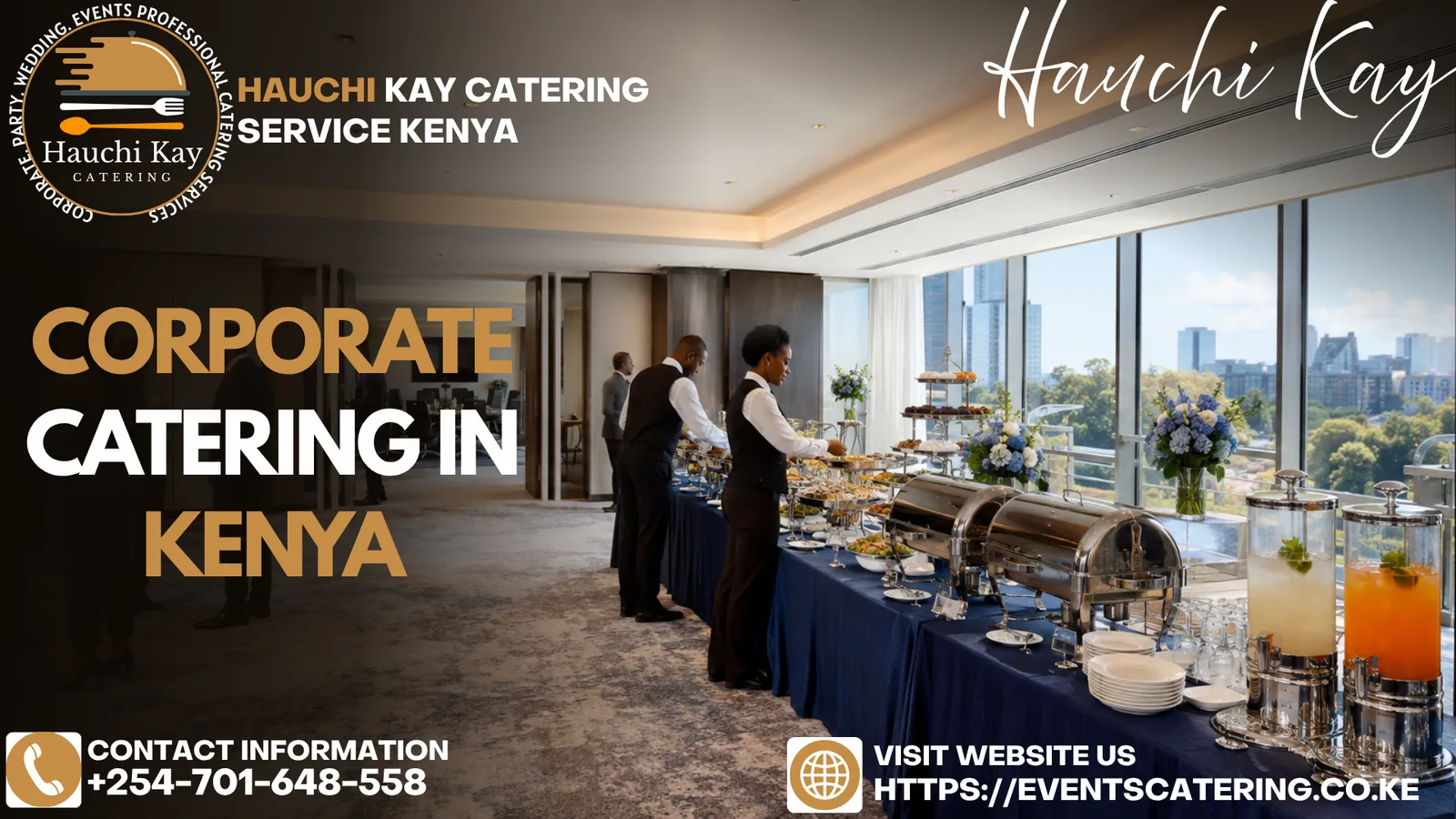
Board lunches, launches, team days and diplomatic functions. Prayer-time and Ramadan timing considered. Halal guests never treated as an afterthought.
Iftar
Food on the table at Maghrib. Dates and water first, then the meal. Rotating menus through the month. Efficient lines for mosque and community Iftars of hundreds.
How we serve
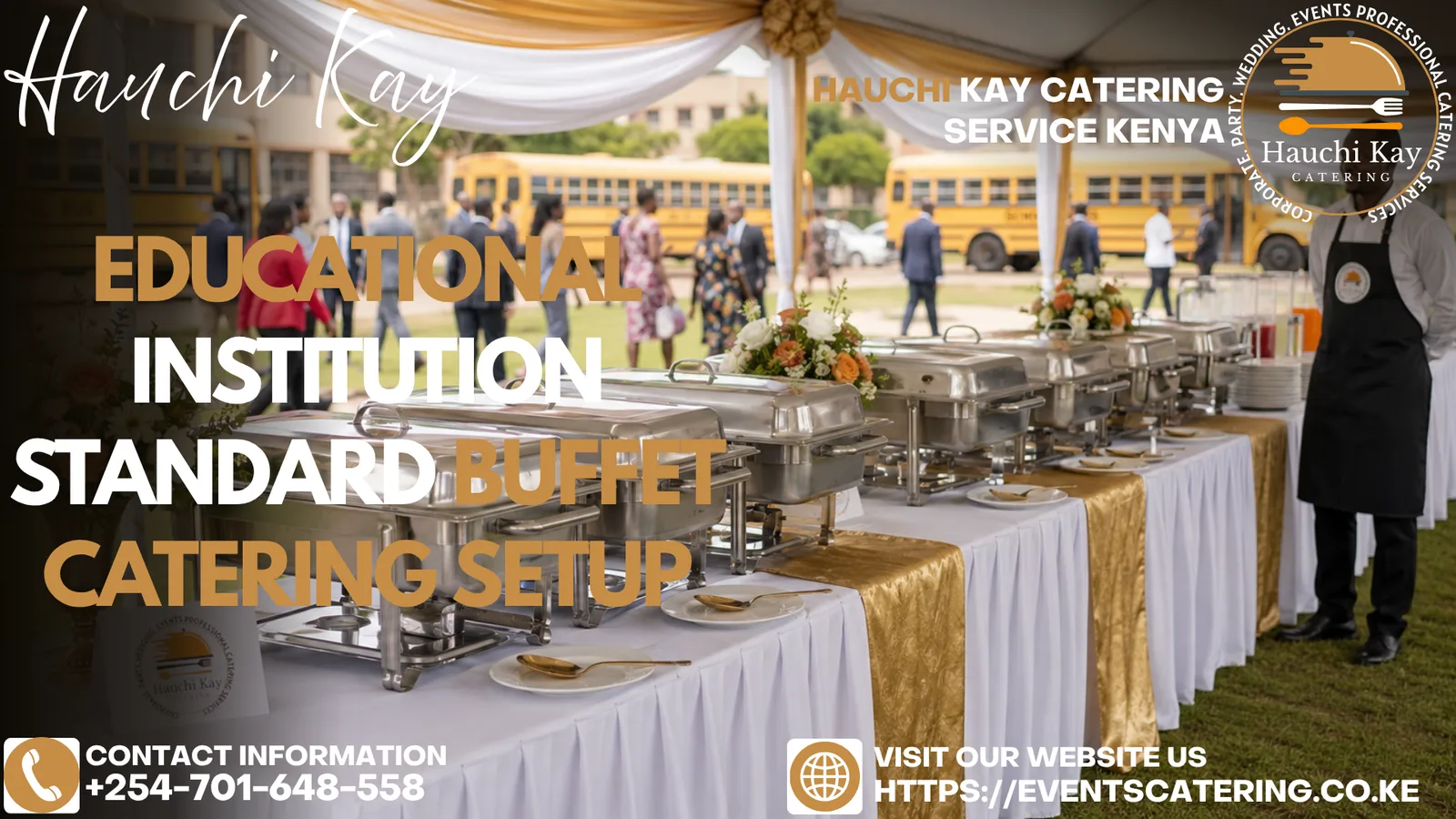
Mixed faith tables and large buffets
Separate prep, storage, equipment and serving staff
Stations labelled so guests do not need to ask
Or the whole event run as halal — many mixed couples choose this
Staff briefed so there is no confusion on the day
Dedicated spoons, never shared with non-halal stations
Clear signage confirming halal status
Spacing and staff to stop accidental spoon-swapping
Replenishment from a halal-only kitchen line
Live carving or nyama choma and kebab grills
Certification or documented slaughter process
Abattoir segregation from haram lines
Traceability from farm to delivery
Ongoing re-verification, not a one-time check
We will tell you where the protein comes from
Where does the meat come from, and how was it slaughtered?
Dedicated equipment, or shared and cleaned between uses?
How are mixed faith events handled?
What supplier documentation can you show?
How are gelatin, stocks and flavourings handled?
Gaps we close
Common mistakes other caterers make
01
No pork is not enough
Non-halal meat, gelatin, alcohol extracts or rennet cheese still fail the standard.
02
Shared equipment
Same boards and grills without proper cleaning create cross-contact even when ingredients are right.
03
Vague sourcing
If a caterer cannot explain slaughter and origin, they cannot guarantee compliance.
Book weddings and large Iftars weeks to months ahead
Peak wedding season and the lead-up to Ramadan fill quickly across Nairobi.
Nairobi and its environs (Westlands, Karen, Kilimani, Runda, South B, South C)
Athi River, Syokimau, Mlolongo
Thika Road and Kiambu Road
Kiambu, Murang’a, Nyeri and wider Central Kenya
Nakuru, Naivasha and the Rift Valley
Kisumu, Kakamega and Western Kenya
Machakos, Kitui and Eastern Kenya
Mombasa and the Coastal region
FAQs
Halal catering FAQs
What makes food halal beyond avoiding pork?
The whole process: slaughter, additives, storage and handling so food never contacts non-halal items. Avoiding pork is only one small part.
Can halal and non-halal food be served at the same event?
Yes. Mixed faith events need separate preparation, serving equipment and clear labelling. Many couples instead run the entire event as halal.
Do you cater small family events as well as large weddings?
Yes. Intimate Nikkah ceremonies and family Iftars through to large weddings and corporate functions with hundreds of guests.
Is halal catering more expensive?
Not necessarily. Cost follows menu, guest count and service style. Halal sourcing does not automatically increase price.
How far in advance should I book?
Several weeks to a few months for weddings and large Ramadan functions, especially in peak wedding season or the lead-up to Ramadan.
Ready to book halal catering with confidence?
Share the date, guest count and whether you need Nikkah, walima, Iftar, corporate or a mixed faith table. We will walk through sourcing, process and menu.
 Hauchi Kay CateringCorporate · Party · Wedding · Events · Private Chef ·Nairobi, Kenya